
Fiberglass Pool Resurfacing Cost: Real Numbers (2026)
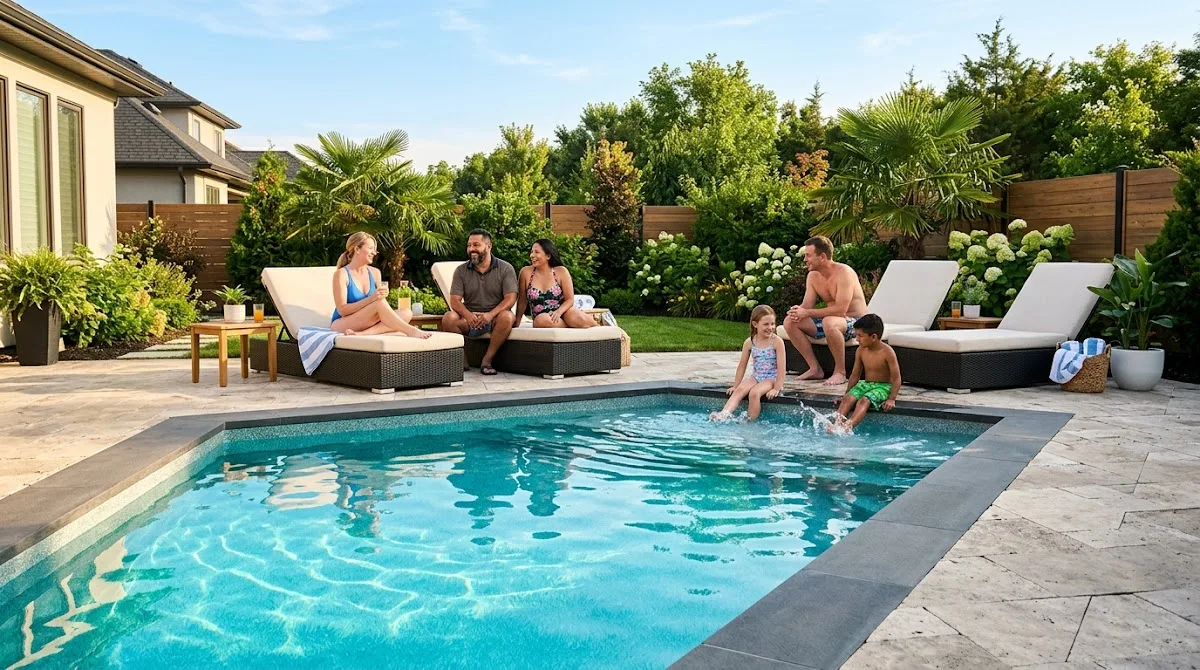
A faded finish can make an otherwise good pool look worn out fast. Then the big question hits: repair it, refinish it, or start over?
This guide breaks down real numbers, common methods, warning signs, and how to choose a finish that protects both looks and structure.
How Much Does It Cost to Resurface a Pool?
Let’s get to it.
For a fiberglass pool, the average pool resurfacing cost usually falls between $5,000 and $15,000. That range covers most residential jobs in the U.S., but there are outliers on both ends.
A small 10x20 pool may land between $5,000 and $7,000. A large commercial pool can push past $15,000 because material use, prep time, and labor all rise fast. In rare cases, budget work can start near $3,500, while a full fiberglass layer rebuild can exceed $20,000.
So, much does it cost in real life? It depends on the pool type, the condition of the shell, and what finish you choose. If you want a broader overview before getting quotes, see our guide to fiberglass pool resurfacing.
The Average Pool Resurfacing Cost for Fiberglass
Fiberglass pool resurfacing cost is not just about the final finish. The surface prep matters just as much.
If the pool’s surface is chalking, blistering, or exposing bare surfaces, the installer may need heavier grinding, patching, and moisture control before any new coating goes on. That changes the pricing quickly.
A standard fiberglass pool in decent shape is cheaper to resurface than one with leaks, movement, or old failed layers. That is why two pools with the same pool size can have very different estimates.
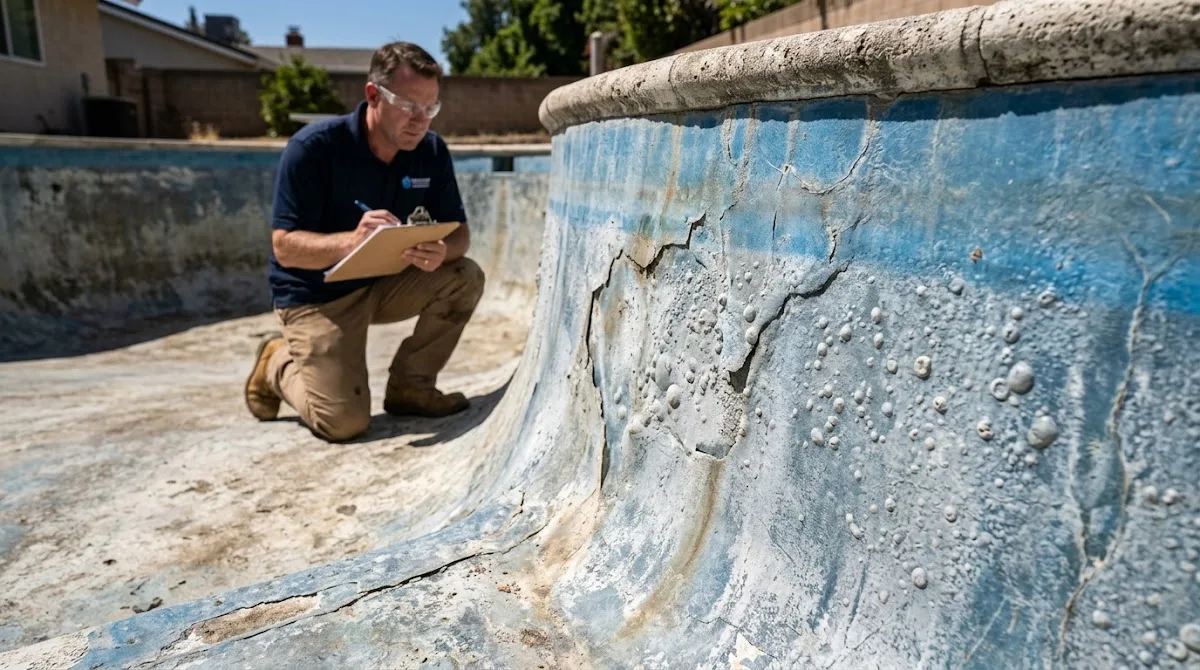
A Detailed Breakdown of the Cost of Resurfacing
Think about the estimate in line items, not one big number. That makes it easier to know how much you are paying for prep, finish, and repair work.
Also, resurfacing is usually the smarter move when your current pool is structurally sound. Full replacement can run $50,000 or more, especially for inground pools with custom pool features.
| Expense Type | Estimated Cost Range |
|---|---|
| Basic Gel Coat Resurfacing | $5,000 - $8,000 |
| Epoxy or Polymer Coating | $7,000 - $12,000 |
| Full Fiberglass Layer Replacement | $12,000 - $20,000 |
| Structural Repairs (Cracks, Leaks) | $1,000 - $5,000 |
| Professional Labor Costs | $2,000 - $5,000 |
| Water Refill & Chemicals | $300 - $700 |
If you are trying to know how much to budget, ask for pricing broken out per square foot, prep, finish, refill, and startup. It keeps surprises down.
5 Signs It Is Time to Resurface Your Pool
Fiberglass finishes often may last 15 to 30 years. Standard gel-coat systems tend to deteriorate sooner, often in the 15 to 25 year range, especially in places with strong sun, humidity, freeze-thaw swings, and heavy use.
Here’s the simple rule. If your finish is changing in feel, color, or performance, it’s time to look closer.
Identifying Wear on Your Fiberglass Pool
Texture matters. A healthy fiberglass pool should feel smooth, sealed, and comfortable underfoot.
Watch for these signs:
- Texture changes
A rough or chalky surface can scratch skin and snag swimwear. - Visual fading
If the color looks washed out, tired, or uneven, the finish is wearing down. - Osmotic blisters
These bubbles under the gel coat often point to moisture problems inside the laminate. - Stubborn stains
If marks at the tile line will not lift even with scrubbing, the finish may be too porous. - Chemical imbalance
Rising chemical usage can signal that the finish is no longer sealing the shell well.
That last point gets missed a lot. Poor finishes absorb contaminants, hold minerals, and give alga more places to cling.
Analyzing the Cost to Resurface by Method and Material
Not all finishes behave the same. Some look good for a season. Some are built to last decades.
And this is where many estimates get confusing.
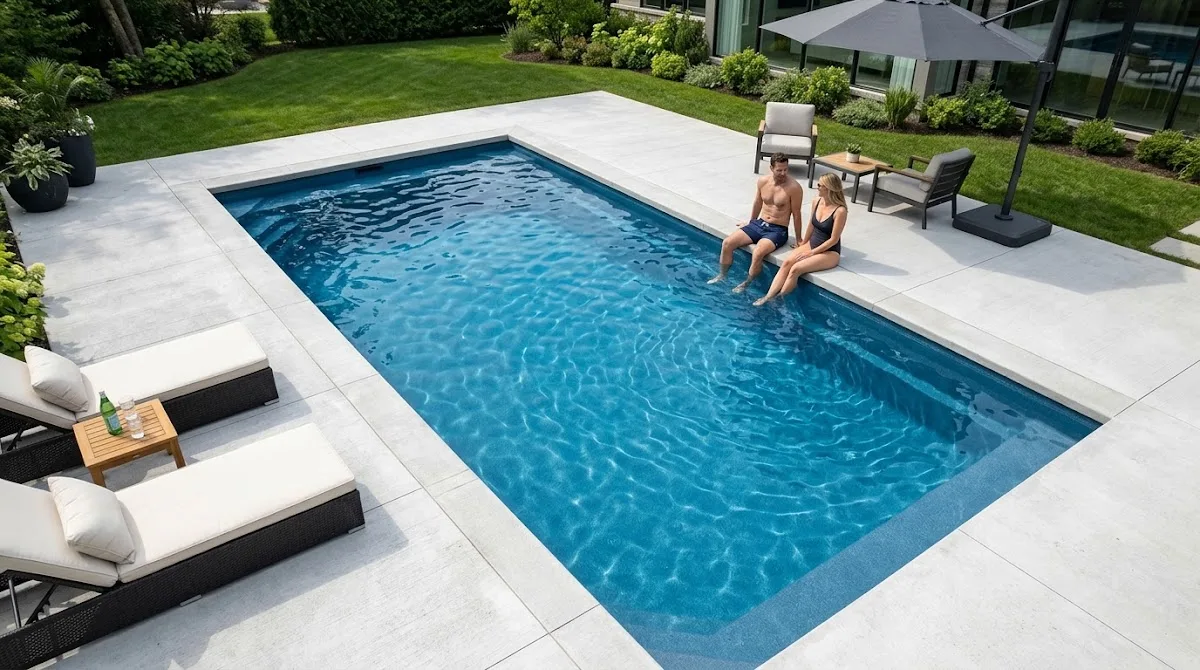
Budget Options: Paint and Basic Epoxy
Paint is cheap upfront. So is epoxy paint. But cheap can become expensive when the pool needs to be drained, sanded, and recoated again after one or two seasons.
Basic epoxy or polymer systems generally range from $7,000 to $12,000. They perform better than simple paint, but they are still a topical coating. Once adhesion fails, peeling starts. If you are considering a DIY resurfacing guide, make sure you understand that prep errors are usually what ruin these systems.
Standard Gel Coat and Full Fiberglass Replacement
Basic gel coat is a common choice at $5,000 to $8,000. It can refinish a tired pool with fiberglass and restore appearance at a manageable price.
At the top end, a full fiberglass layer replacement usually runs $12,000 to $20,000 or more. It is more invasive, but it can be the right move when a standard fiberglass pool has severe blistering, delamination, or structural wear.
Plaster, Vinyl, and Advanced Micro-Ceramic Alternatives
Plaster is a cement-based finish used on a concrete pool and on gunite pools. It is not a good match for a fiberglass shell because bonding is poor. Over time, plaster on fiberglass tends to crack, separate, and fail.
Vinyl works differently. A vinyl pool uses a vinyl liner, and a liner pool relies on that flexible membrane to hold water. Liners cost less upfront than some rigid finishes, but liners cost add up over time because the pool liner and vinyl liner eventually need replacement. That matters when comparing different pool types.
Now the interesting part.
A thermoplastic coating is a heat-softened finish layer used in some industrial settings, but high-end pool industry work is moving toward more advanced systems. A premium micro-ceramic waterproofing finish is a three-part system that bonds at a molecular level, creating a non-porous, durable, luxurious result. For those exploring upgraded fiberglass pool finishes, certified systems with ASTM, NSF, and Miami-Dade NOA standards offer a stronger long-term value than short-life paint.
Professional Pool Resurfacing vs. DIY: What You Need to Know
A lot of people consider DIY for one reason: save money.
Fair enough. But the hidden costs can erase those savings fast.
The Hidden Costs of DIY Resurfacing a Pool
DIY materials for resurfacing a pool usually range from $1,500 to $4,000. On paper, that looks attractive.
In practice, the hassle is real. You must drain the shell, grind the old surface, clean thoroughly, manage moisture, and apply the finish evenly. If you miss surface prep or weather timing, bubbles, peeling, and bond failure can show up almost immediately.
Why Professional Fiberglass Pool Resurfacing Protects Your Investment
Professional fiberglass pool resurfacing generally runs from $5,000 to $15,000, depending on the pool size and condition. But you are paying for process control, product compatibility, and application skill.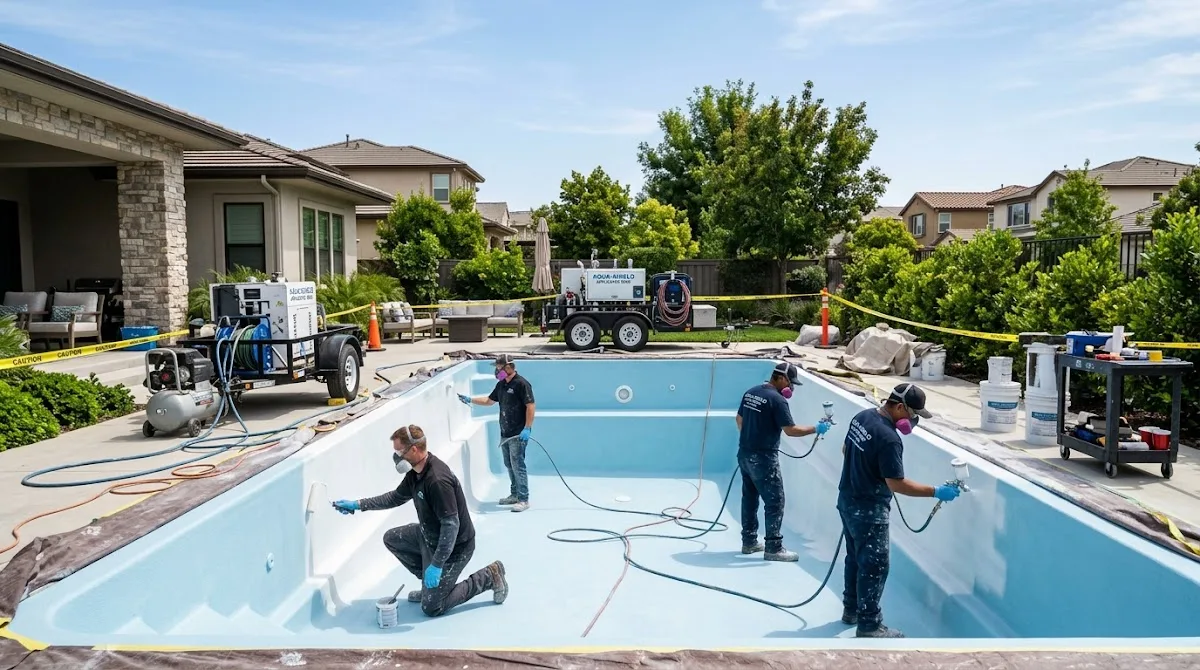
A trained dealer or certified crew knows which crack is cosmetic and which one means deeper movement. They also know why installing the wrong finish over fiberglass creates failures that spread. Done right, a professional job can extend the lifespan of the shell by 15 to 30 years and improve the swimming experience with a smoother, long-lasting finish.
Timelines and the Resurfacing Process for USA Pools
Most jobs take 5 to 10 days. Some advanced systems can shorten that to 2 to 4 days.
That difference matters, especially if you want less downtime during swim season.
5-Step Guide to Resurfacing a Pool
The resurfacing process is straightforward, even if the work itself is technical.
- Drainage
The crew will drain the swimming pool fully. - Preparation
They sand, profile, and clean the shell so the new surface can bond. - Application
The chosen finish is applied, whether that is gel coat, laminate repair, aggregate-infused finish, or a micro-ceramic system. - Curing
Many finishes need 24 to 48 hours. Some premium systems allow faster turnaround. - Refill
The pool is refilled, then balanced for proper water chemistry.
Maximizing Your Investment: Beyond the Basic Cost to Resurface a Pool
The factors that affect price are not just materials. Factors like weather, access, shell damage, tile details, and deck protection all matter.
If you want the best cost to resurface your pool, plan ahead. Off-season scheduling can lower pricing. Regular maintenance helps surfaces last longer. Balanced water chemistry reduces stain buildup, scaling, and premature wear.
Material choice matters too. A non-porous finish helps reduce chemical usage and scrubbing. It also supports a cleaner, more durable finish around tile lines and steps. For a homeowner comparing a fiberglass pool, a concrete pool, vinyl options, or resurfacing an inground pool, the smart question is not only cost to resurface a pool. It is much it costs to resurface today versus what you will spend again in a few years.
If your finish is fading, if you probably need repair, or if you expect to pay for repeated patch jobs, get an on-site estimate. The right system can resurface your pool once and avoid repeat work.
Conclusion
The cost of resurfacing a pool depends on method, condition, and finish quality, but most fiberglass jobs land between $5,000 and $15,000. If your surface is rough, faded, or failing, acting early usually costs less. Choose a certified, non-porous system and a skilled installer if you want a finish built to last.
Frequently Asked Questions About Fiberglass Pool Resurfacing Cost
Can a fiberglass pool be resurfaced?
Yes. A fiberglass pool can be resurfaced if the shell is sound.
How much does it cost to have a fiberglass pool resurfaced?
Most projects fall between $5,000 and $15,000.
How much does it cost to replaster a 15000 gallon pool?
Plaster pricing varies, but fiberglass pools should not be plastered.
Is pool resurfacing worth it?
Yes, especially when it avoids full replacement and protects structure.
What time of year is best to resurface a pool?
Fall and winter are often best for scheduling and better pricing.
How much does it cost to replaster a 35,000 gallon pool?
Large plaster jobs vary widely, but size, prep, and tile work raise the total.