
How Long Does Plaster Last in a Swimming Pool? (Real Data)
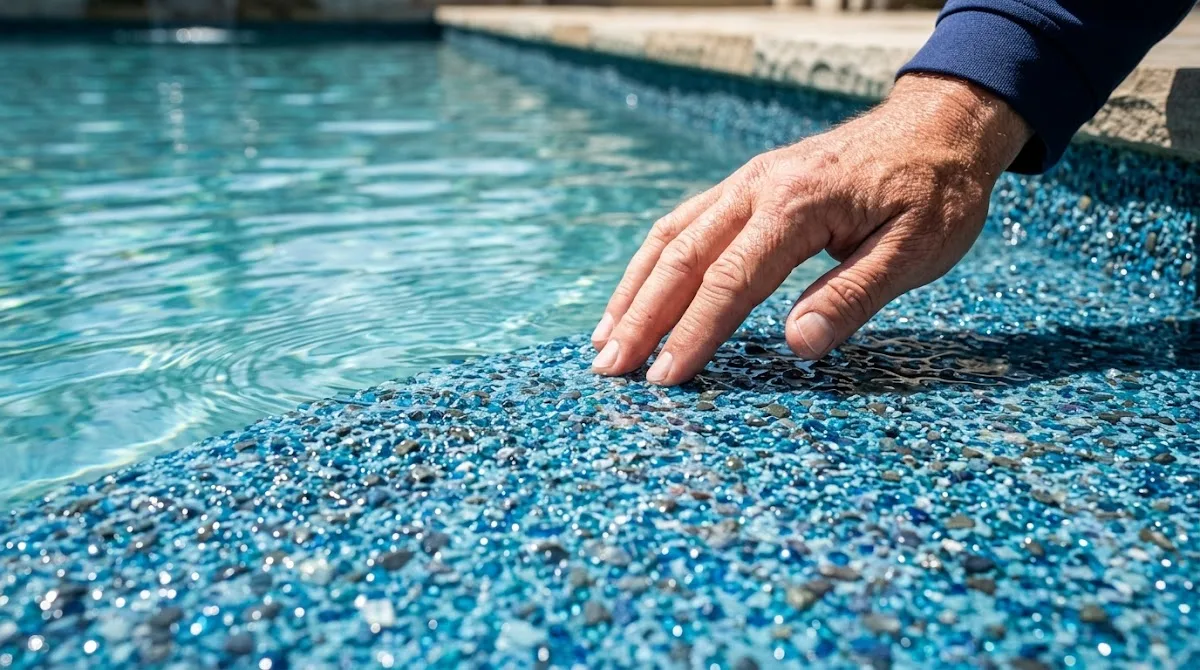
A pool can look solid for years, then suddenly feel rough, fade fast, or start showing wear that was building all along. That catches people off guard.
This guide breaks down how long plaster lasts, what shortens its lifespan, and when a better surface makes more sense.
The Average Lifespan of Plaster: What Real Data Shows
Understanding the lifespan starts with a simple truth. Plaster is a cement-based surface, and cement reacts to water, chemicals, weather, and usage.
That means no plaster finish lasts forever. Still, some hold up much better than others.
Standard White Pool Plaster vs. Colored Plaster
White plaster is a classic choice because it looks clean and keeps upfront cost lower. In most cases, standard white plaster gives you about 5 to 12 years of service. With careful water balance, gentle cleaning, and regular maintenance, some installations can last close to 20 years.
But here’s the catch.
Heavy-use commercial pool environments often wear much faster. More swimmers, more chemical demand, more brushing, and more exposure usually push replacement closer to the 5-year mark.
Colored plaster tends to perform a bit better. Its average lifespan is usually 7 to 12 years because improved cement blends and added binders help the surface stay tighter and more durable. Even so, discoloration and color fading often start showing around years 5 to 7.
If you’re comparing finishes, this is where broader resurfacing options become worth a closer look.
How Long Do Other Popular Pool Finishes Last?
Not all pool finishes age the same way. Some trade lower upfront cost for shorter service life. Others cost more at the start but stay attractive much longer.
Think about it this way. The best finish is not always the cheapest one. It’s the one that gives the best value over the full lifespan.
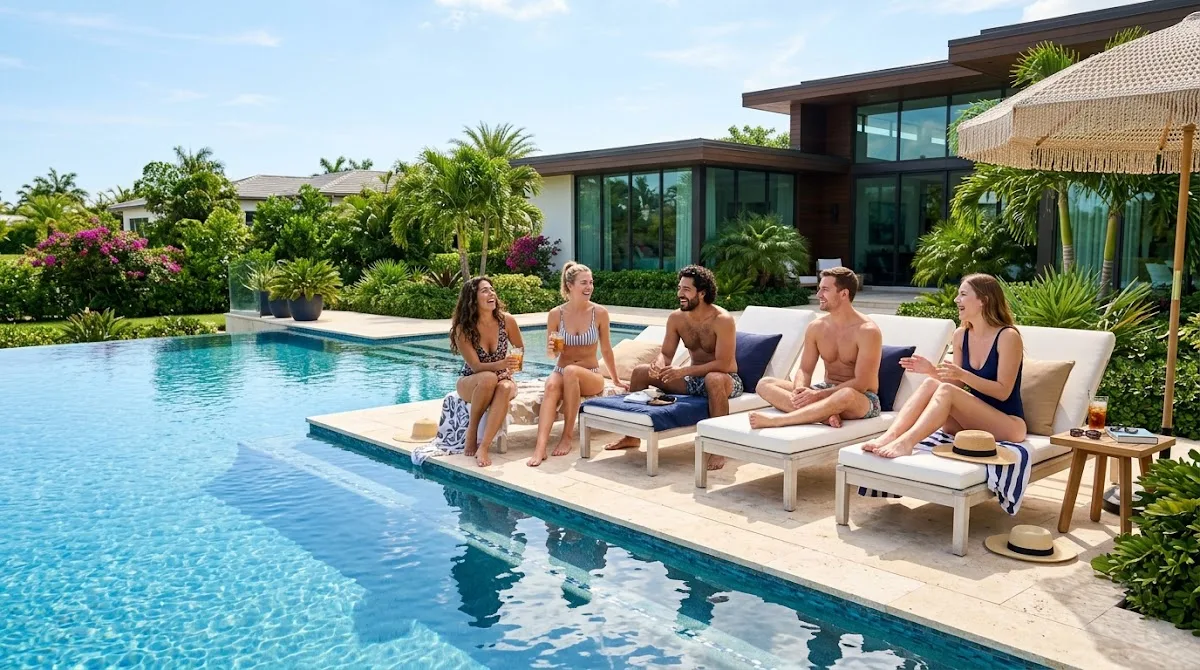
Pebble, Quartz, and Glass Bead Finishes
Pebble finishes are among the most durable choices in the market. They typically last 15 to 20 years, and with excellent care, that number can stretch to 20 to 30 years or more. Their peak performance usually falls between years 5 and 15. The exposed aggregate structure helps resist wear better than plain plaster.
Quartz finishes usually land in the 12 to 18 year range. Premium quartz systems may exceed 18 years, while standard products often perform closer to 10 to 15 years. They offer better color retention and a tougher mineral blend than basic plaster pool finish systems.
Glass bead and tile finishes sit at the long end of the chart. Glass bead surfaces often exceed 20 years. Glass tile can last 20 to 50 years or more if grout care is handled well. If you’re weighing replaster versus a broader system change, this guide on replaster vs resurfacing helps clear up the difference.
Cost and Lifespan Breakdown of Common Pool Finishes
Initial price matters. Long-term value matters more.
A cost-effective decision compares install cost, care needs, and how soon the pool needs work again.
| Finish Type | Average Lifespan | Maintenance Level | Avg. Cost (Per Sq. Ft.) |
|---|---|---|---|
| Standard Plaster | 7–10 Years | High | $10-$12 |
| Quartz Aggregate | 10–15 Years | Moderate | $12–$15 |
| Pebble Aggregate | 15–25 Years | Low | $12-$18 |
| INTER-GLASS® | 25+ Years | Very Low | $25–$35 |
| Glass Tile | 20–50 Years | Very Low | $50+ |
This is why the lifespan of plaster should never be viewed alone. A lower first price can become a costly cycle if the pool gets replastering work too soon.
Top Factors That Affect the Lifespan of Plaster
Why does one plaster pool last 12 years while another struggles by year 6? Usually, the answer is not one dramatic failure. It’s a series of smaller factors working together.
Water Chemistry Requirements
Water chemistry is a set of measured conditions in pool water that affects comfort, sanitation, and the life of the plaster surface. When chemistry turns imbalanced, damage speeds up.
For cement-based finishes, pH should stay between 7.2 and 7.6. High acidity below 7.0 can etch the surface fast. Water above 7.8 encourages scaling and hard deposit formation.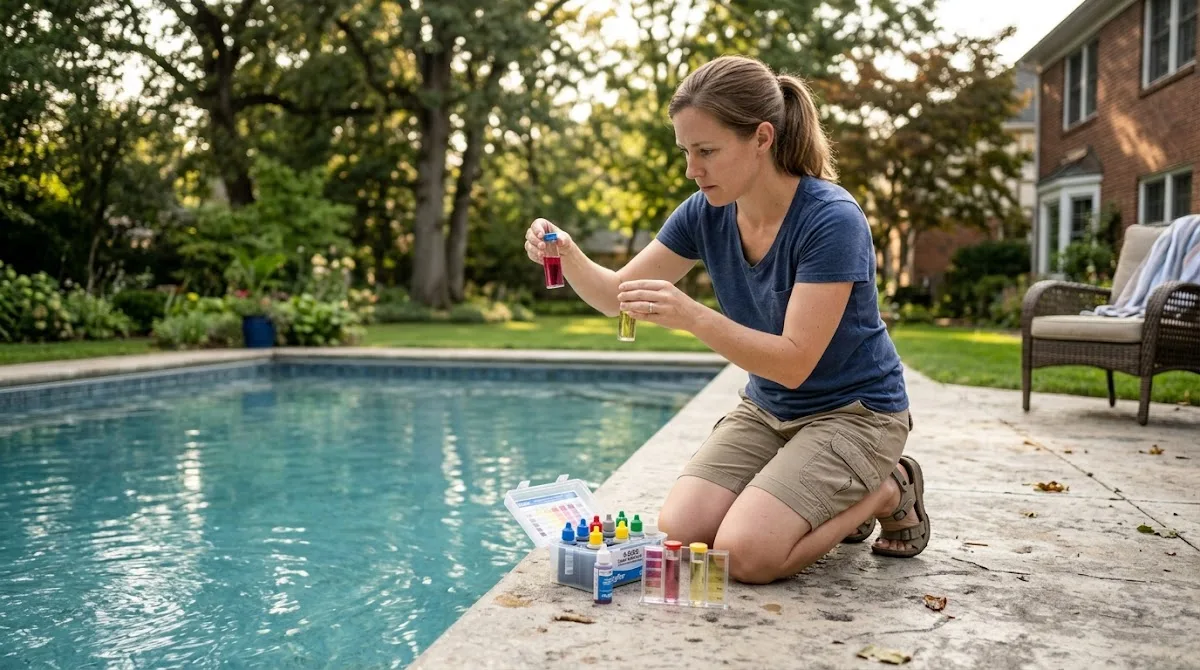
Target ranges matter too:
- Alkalinity: 80 to 120 ppm
- Calcium Hardness: 200 to 400 ppm
- Cyanuric Acid: 30 to 50 ppm
Soft water can be especially destructive because it pulls calcium hydroxide from the top layer of plaster. That weakens the surface, creates thin spots, and shortens plaster last expectations in a big way.
The goal is to keep the Langelier Saturation Index between 0.0 and +0.3. The National Plasterers Council provides startup procedures and an LSI calculator.
Spa areas need even closer attention because heat increases chemical activity. A small drift in pH or calcium levels can do more damage there.
Environmental Impact on Your Plaster Pool
Climate changes everything.
Hot sun and heavy UV exposure speed up drying stress, fading, and stain risk. A shaded pool may last 20% to 30% longer in some cases. In colder regions, freeze-thaw movement can cause a crack near the waterline, usually 3 inches above and 1 to 2 inches below it.
Also, pool finishes are meant to stay submerged. When a swimming pool is drained and left exposed to hot, dry air, the plaster may dry too quickly, pit, and weaken.
Early Signs It Is Time to Replaster Your Pool
Early wear often appears within 3 to 5 years. More serious decline tends to show up around years 5 to 7.
Look for:
- A rough texture that can scratch skin or tear swimsuits
- Open crack lines or spiderweb patterns that do not self-seal
- Stain marks that do not brush off
- Flaking, spalling, or small surface loss
- Old plaster that feels sandy underfoot
- Buildup, alga hold, or fading that keeps returning
If the pool water looks balanced but the plaster surface still feels sharp or weak, inspection is a smart next step.
Proven Ways to Make Your Pool Plaster Last Longer
Good care can prolong service life by years. In some cases, it can double it.
That matters.
Daily and Weekly Care Routines
Brush the walls once a week with the right brush for the surface. This helps prevent alga growth, removes mineral film, and reduces stain risk.
During peak season, test chemical levels daily. In the off-season, weekly checks are usually enough. Make sure your pool stays filled during winterization, because drained shells face faster damage.
Regular maintenance also includes checking water balance, watching calcium, and fixing small issues before the pool needs full resurfacing. A properly applied finish that gets consistent care will usually last longer.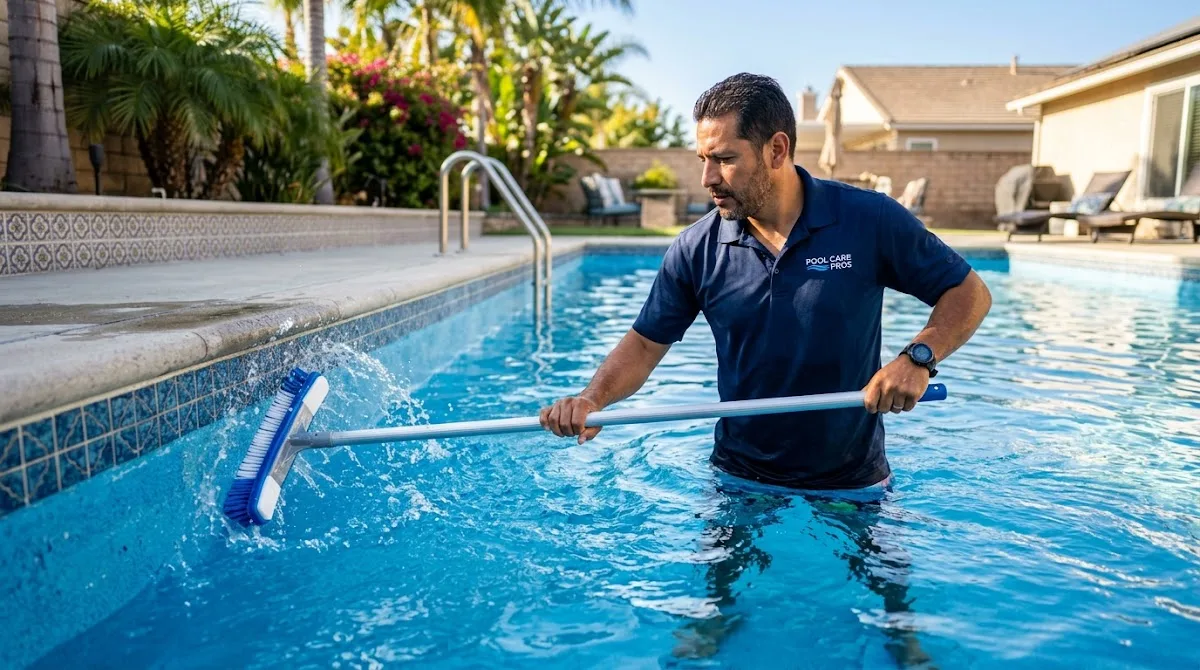
When to Upgrade Your Pool Finish for Maximum Durability
If a homeowner has a pool over 10 to 15 years old, rough texture, stubborn stain problems, or visible wear, a basic replaster may be the minimum fix.
However, plaster has known limits. Water-soluble salts, chlorides, sulfates, and ongoing chemical exposure slowly move through the matrix and reduce durability.
A proprietary three-part micro-ceramic waterproofing system is a structural upgrade that moves beyond cementitious boundaries. For projects that need a high-quality, built to last surface, this can be a stronger long-term path.
Systems with ASTM, NSF, and Miami-Dade NOA certifications, plus antimicrobial, antibacterial, and antiviral properties, are especially attractive where sanitation and durability both matter.
You can explore pool waterproofing if you’re ready to give your pool a fresh, durable surface with very low maintenance and a consultation on whether your pool needs a full upgrade or just to have the pool replastered.
Frequently Asked Questions
How often should pool plaster be replaced?
Most plaster should be replaced every 7 to 12 years, depending on care and usage.
How much does it cost to replaster a 35,000 gallon pool?
It depends on size and condition, but many projects fall between several thousand and over ten thousand dollars.
What is better, pebble tec or plaster?
Pebble usually lasts longer and needs less upkeep than standard plaster.
How can you tell if a pool needs to be replastered?
Watch for rough texture, crack lines, fading, flaking, stain issues, and surface wear.
How much does it cost to replaster a 35,000 gallon pool?
Costs vary by region, prep work, and finish choice, so exact pricing needs a local quote.
How can you tell if a pool needs to be replastered?
If the surface feels rough, shows wear, or keeps degrading despite care, it’s time to inspect it.